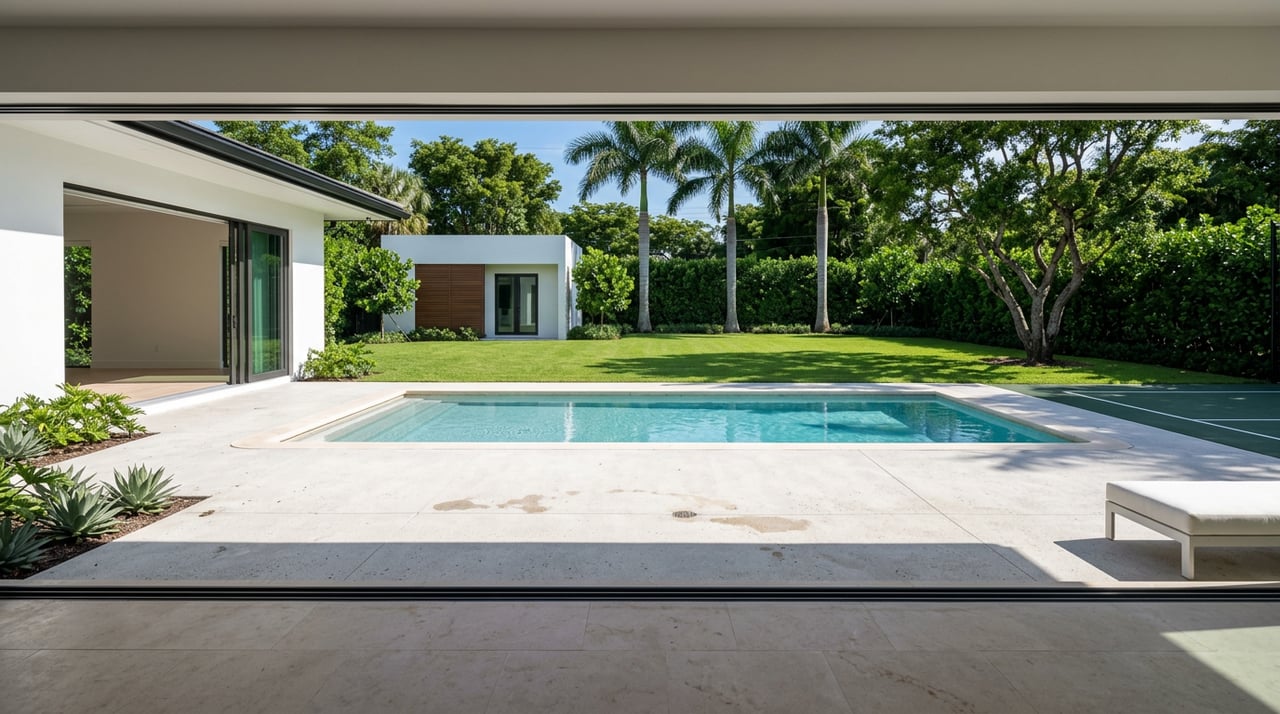
If you are buying in Pinecrest in Escambia County, the lot is your foundation for daily living and long-term value. Bedrooms and finishes can change, but lot size, shape, and setbacks will decide whether you can add a pool, a guest house, or a sport court. The right parcel supports your lifestyle and protects resale. In this guide, you will learn how typical Pinecrest lots work on the ground, which county rules matter most, and what to verify before you write an offer. Let’s dive in.
Why lot size and layout matter
Two Pinecrest lots with the same square footage can live very differently. Shape, corner placement, and recorded easements can shrink your usable yard even when the acreage looks good on paper. Rear-yard depth is often the limiter for pools and patios. Easements for utilities or drainage may cut into space for decks, equipment, or a shed.
If you care about outdoor living, design your search around what the lot can actually support. That means checking setbacks, lot coverage, and any permit triggers before you fall in love with a floor plan.
Typical Pinecrest lots at a glance
- Many original plat lots in Pinecrest measure about 8,000 to 11,000 square feet, or roughly 0.18 to 0.25 acre. Some combined parcels run larger, and infill or corner lots can be smaller. Treat this as a pattern, not a rule for every address.
- A common footprint is about 60 feet by 150 feet, around 9,000 square feet. On lots like this, rear-yard depth often becomes the practical constraint for a pool plus the deck and mechanical space you will want.
- Many parcels reference a recorded plat that sets lot lines and easements. Always confirm exact dimensions with a current survey and the recorded plat on file.
Rules that shape what you can build
Local code is the playbook for what fits and where. Pinecrest addresses may fall under Escambia County or the City of Pensacola, so confirm jurisdiction early.
Accessory structures and setbacks
Accessory structures are usually limited to the side and rear yard and must meet setback rules. This applies to sheds, cabanas, and accessory dwellings. Review the Escambia County Land Development Code for accessory-use standards and setbacks before you plan an outbuilding or addition. You can find the county’s accessory-use rules in the Land Development Code. See LDC §4-7.3 for accessory uses and structures.
Pools and pool decks
In-ground pools require a county permit. The Land Development Code requires pool hardscape, like decking and walks, to sit at least 5 feet from side and rear property lines in applicable districts. This 5-foot hardscape setback often sets your pool and deck sizing. State barrier rules also apply and are enforced through the permit. Review permit steps here: Escambia County Building Services permitting.
Sheds and small accessory buildings
Most lawn sheds must be at least 5 feet off all property lines and cannot sit in the front yard. The county offers a one-page guide that outlines placement, fees, and when a license is required. Start here for placement and permit tips: Lawn Shed Guidelines.
Fences and sport-court enclosures
In residential districts, side and rear fences can be up to 8 feet in height. Front yard limits are lower and vary by material and opacity. Courts that need taller containment or higher walls often require a variance or special review. Check the code for height and placement: Fence standards in residential districts.
Lot coverage and stormwater
Zoning districts set maximum impervious coverage and minimum pervious area. Some districts require at least 30 percent pervious area. If you plan a large deck, sport court, or big driveway expansion, you may need stormwater controls and must respect coverage caps. Review pervious-area standards here: LDC environmental and design standards.
Guest houses and ADUs
ADUs are allowed in certain residential districts when the lot and zoning meet the LDC conditions. Accessory units must meet setbacks and size limits relative to the main house. On lots under about a quarter acre, detached ADUs can run into size and placement limits fast. See the county’s rules before you assume a guest house is feasible: LDC §4-7.3, accessory uses and structures.
Trees and land disturbance
Large, mature trees add value in Pinecrest, but some are protected. Removing protected trees, grading, or significant clearing requires a Land and Tree Management Permit, and mitigation or replacement can apply. Start with the county’s permit application and rules: Land and Tree Management Permit.
Variances and timing
If setbacks, fence height, or other rules block your plan, you may need a variance through the Board of Adjustment. Build in time and budget for applications and possible conditions.
Turning lot traits into real decisions
Pool siting checklist
Use this quick screen before you offer on a home where a pool is part of your plan:
- Measure usable rear-yard depth after subtracting the rear setback, a 5-foot hardscape setback, the pool shell, and space for pumps and required barrier.
- Identify recorded utility and drainage easements along the rear and sides. Easements can cut into usable space.
- Check flood zone, elevation, and soils. Floodplain and drainage can influence design and cost. See Flood Plain Management for maps and guidance.
- Confirm permit steps with the county. Review sub-permits and inspections at Building Services permitting.
Guest houses and ADUs
If you want a detached guest suite, confirm that the zoning allows ADUs, then test fit the footprint inside side and rear setbacks. On typical Pinecrest lots near 0.20 to 0.25 acre, a full second dwelling often hits size and placement limits. An attached addition or rework of existing space can be more realistic. Start with the rules in LDC §4-7.3.
Sport courts and play areas
Courts are accessory uses and must meet setbacks. Standard side and rear fences up to 8 feet help with containment, but taller enclosures usually need special review. Add lighting carefully to avoid spill and permit issues. Check fence standards before you sketch your plan.
Driveways, garages, and paving
Front-yard space on older plat lots is finite. Big driveway additions or new front-facing garages can trip lot-coverage caps and stormwater rules. Ask for pervious-area requirements early and align the plan with environmental standards.
Mature landscaping as an asset
Shade, privacy, and curb appeal all support value. If you need to remove a protected tree to fit a pool or patio, expect permit steps and mitigation. Balance design with preservation to keep character and cost in check. Read the county’s requirements here: Land and Tree Management Permit.
Pricing and resale: what buyers notice
Buyers respond to outdoor function and privacy. National buyer research shows outdoor living areas influence interest and time on market. The ability to add or enjoy a pool, patio, or flexible yard often improves marketability, though the exact return depends on neighborhood norms and buyer profile. For context on buyer preferences, see the NAR Profile of Home Buyers and Sellers.
Due-diligence checklist before you write an offer
Use this list to protect your plan and budget.
- Confirm jurisdiction and zoning. Request a formal Zoning and Land Use Verification from Escambia County.
- Run the parcel through the county GIS. Check flood panels, basic utility boundaries, and address data using the Property Lookup and GIS tools.
- Order a current survey. It should show lot lines, recorded easements, building setbacks, and any encroachments.
- Verify sewer versus septic. This affects ADU feasibility and expansion plans, as well as future hookup costs if a conversion occurs.
- If you expect tree removal or major grading, review the Land and Tree Management Permit and budget for mitigation.
- For pools, sheds, fences, and accessory buildings, confirm thresholds, sub-permits, and inspection steps with Building Services permitting.
- Check for any private covenants or HOA rules. These can be stricter than county code and may add design review, appearance standards, or setback limits.
The bottom line for Pinecrest buyers
In Pinecrest, the lot often decides your lifestyle more than the house does. Focus on usable yard depth, easements, and the key rules that govern pools, sheds, ADUs, courts, and coverage. When a parcel supports your program today and your future plans, you protect enjoyment and resale.
If you want a second set of eyes on a Pinecrest short list or you are planning an outdoor-forward search, reach out for tailored guidance. Connect with Chanel Hunter Milian PA for a clear, design-aware plan that aligns the lot with your goals.
FAQs
What is a typical Pinecrest lot size and why does it matter?
- Many lots run about 8,000 to 11,000 square feet, and rear-yard depth plus setbacks often decide whether a pool, patio, or shed will fit comfortably.
How close can a pool or deck be to the property line in Escambia County?
- Pool hardscape such as decks and walks must sit at least 5 feet from side and rear lines in applicable districts, and pools require a county permit.
Are accessory dwelling units allowed on Pinecrest lots?
- ADUs are allowed in some districts if the lot meets zoning and size limits; they must follow the same setbacks as the main house unless otherwise stated in the LDC.
What should I check before removing a large tree in Pinecrest?
- Review the county’s Land and Tree Management Permit rules since protected-tree removal and land disturbance can require permits, mitigation, and fees.
How do I confirm setbacks, easements, and flood zones for a specific address?
- Request a county Zoning and Land Use Verification, run the parcel through the Property Lookup and GIS tools, and order a current survey to map easements and setback lines.
