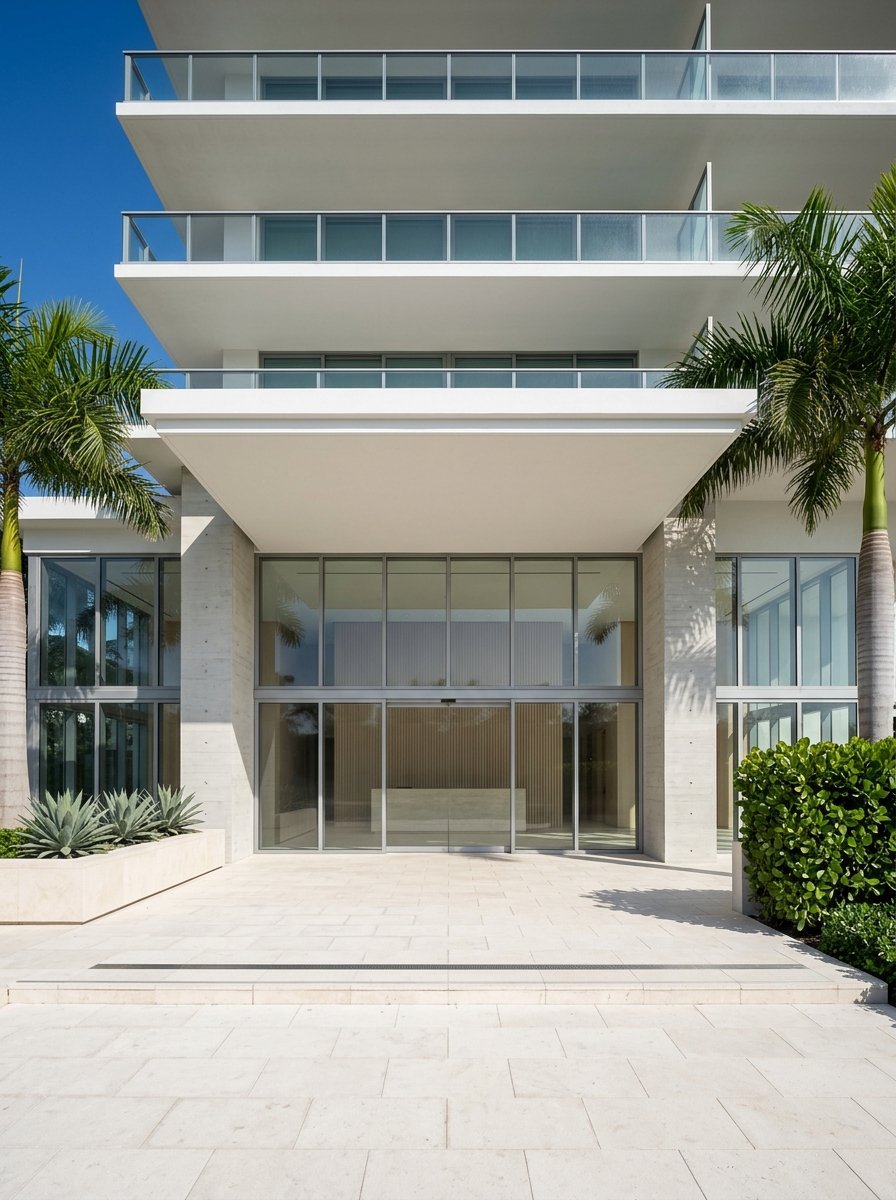
Choosing a Bal Harbour condo building is not just about finding a beautiful residence. In this market, the building itself is a major part of the investment, the lifestyle, and your long-term ownership experience. If you are comparing towers and wondering which one truly fits the way you want to live, this guide will help you narrow the field with more confidence. Let’s dive in.
Start with the building, not just the unit
In Bal Harbour, one tower can feel completely different from the next, even if the residences seem similar on paper. That is because building culture, service standards, maintenance discipline, and amenity use all shape daily life in a meaningful way.
Bal Harbour is also a very specific environment. It is a one-square-mile village known for luxury shopping, fine dining, five-star hotels, a curated public realm, and a secluded beach setting. The village also has its own Building Department and Architectural Review Board, so exterior work generally goes through a formal review process before permit review.
For you as a buyer, that means the quality of the association and its long-term planning matters almost as much as the finishes inside the condo. A stunning unit in a poorly planned building can become a very different ownership story over time.
Why tower selection matters in 2026
Timing plays a big role in how you evaluate a Bal Harbour condo building right now. Miami-Dade places coastal buildings into recertification at 25 years and every 10 years after that, while Florida law also requires milestone inspections and Structural Integrity Reserve Studies for qualifying condominium buildings.
These are not back-office details. In 2026, reserve strength, inspection records, and capital planning should be part of your first conversation, not your last one.
The Florida Department of Business and Professional Regulation treats milestone reports and reserve studies as official association records that should be available to potential buyers. That gives you a practical framework for comparing buildings in a more informed way.
Compare Bal Harbour buildings by lifestyle fit
A smart way to begin is to ask a simple question: What kind of ownership experience do you want? In Bal Harbour, the answer usually falls into one of three categories: resort-first, residential-first, or legacy space-first.
St. Regis Bal Harbour
If you want the most hospitality-driven experience, St. Regis is the clearest reference point. The project includes three all-glass towers, 270 residences, 216 guest rooms and suites, and more than 600 feet of ocean frontage on a nine-acre site.
This is the building profile for buyers who value service and ease. Features highlighted by the residences materials include butler service, valet, concierge, resident-only pools, private or semi-private elevator access, and even shopping-bag pickup from Bal Harbour Shops.
If you picture yourself using staff support, hosting often, and enjoying a true resort overlay, this is usually the strongest fit.
Oceana Bal Harbour
Oceana tends to appeal to buyers who want newer construction and a more purely residential feel. It is a 28-story twin-tower condominium on 5.5 oceanfront acres with 400 feet of private beach and 240 residences.
The layouts and amenity mix support that positioning. Published materials highlight flow-through floor plans, private elevator galleries, 10-foot glass, interiors by Piero Lissoni, pools, jetted spas, a poolside restaurant, a spa and fitness center, tennis courts, a cinema, and an art collection.
If architecture, art, and lower-density oceanfront living sit high on your list, Oceana is often the benchmark.
Ritz-Carlton Bal Harbour and One Bal Harbour
If privacy matters as much as branding, this hybrid deserves close attention. The Ritz-Carlton Bal Harbour is described as a boutique-style 108-room hotel with just two rooms per floor, plus ocean and Intracoastal views, private terraces, residential-style suites, spa services, private cabanas, and concierge support.
In practice, this profile often attracts buyers who want hotel-branded service but less of the larger-scale resort energy you may feel elsewhere. It can be a strong fit if you want beach access and amenities with a quieter overall scale.
Bellini
Bellini stands out for buyers who want a smaller and more intimate beachfront building. The property includes 81 homes, 200 feet of ocean frontage, private elevators to each residence, a residents-only fitness center and spa, an oceanfront pool, Italian gardens, and 24-hour concierge, valet, and security.
The feel is more residential than hotel-like. If you want a quieter ownership experience and a boutique building identity, Bellini often enters the conversation quickly.
Bellini was built in 2004, so by 2026 it is still short of the 25-year coastal recertification threshold. Still, it is close enough that reserve discipline and recent capital work should be part of your review.
Majestic Tower
Majestic Tower is the legacy option in this group. It has 207 units across 22 floors and a 1998 build date, with larger floor plans, oceanfront views, and electric hurricane shutters.
This building can appeal to buyers who prioritize space, layout, and established character. The tradeoff is age. Because it is already beyond Miami-Dade’s coastal recertification age, the key questions are about reserves, engineering follow-up, and the association’s handling of common-element upgrades.
Use a simple framework to narrow your options
Once you know your lifestyle priorities, you can sort Bal Harbour towers more efficiently.
Resort-first buildings
These usually suit buyers who want service, convenience, and a hospitality layer built into everyday life.
- St. Regis Bal Harbour
- Ritz-Carlton Bal Harbour and One Bal Harbour
Residential-first buildings
These tend to appeal if you want a more private, home-centered environment with less hotel traffic.
- Oceana Bal Harbour
- Bellini
Space-first or legacy buildings
These often work for buyers who value larger floor plans and an established building identity, while accepting that older towers require more scrutiny.
- Majestic Tower
This is not a formal ranking. It is a practical shorthand based on published unit counts, service packages, amenity structures, and building age.
Review the association before you commit
In Bal Harbour, the association’s records can tell you as much as a showing. Before you get too attached to any tower, ask for the latest milestone inspection summary, the current Structural Integrity Reserve Study, the reserve schedule, the current budget, any special-assessment history, the insurance renewal, and any engineer follow-up memos.
Those documents help you answer the real ownership questions. Is the building planning ahead, or reacting late? Are capital items being funded steadily, or pushed into surprise assessments?
This is especially important in older buildings, but it matters in newer ones too. A newer tower may face less near-term recertification pressure, yet you still want to understand its reserve strategy and maintenance habits.
Check permit history and exterior work
Bal Harbour’s local review process makes permit history particularly useful. Because exterior work in the village generally needs Architectural Review Board approval before permit review, public records can reveal whether a building has recently invested in façade work, windows, balconies, pool decks, generators, lobbies, or other common elements.
That history can be very informative. Recent, well-documented work may signal proactive planning, while deferred visible maintenance may suggest a need for deeper review.
If you are comparing two towers with similar price points, this kind of detail can become a deciding factor. A building that has already addressed key exterior items may offer a smoother ownership path than one still facing large projects.
Think beyond the amenity deck
Bal Harbour is small, highly curated, and land-constrained. That means long-term positioning matters.
The village continues to review development proposals, including the Residences at Bal Harbour proposal at 10245 Collins Avenue. Over a multiyear hold, you should think about view corridors, nearby construction, beach access, and how the surrounding area may evolve.
Flood resilience also deserves attention. The village notes that heavy rainfall and tropical storms or hurricanes can cause flooding, so it is smart to ask about elevation, drainage, waterproofing, and the association’s storm-readiness plan.
Questions to ask at every showing
When you tour a Bal Harbour condo, it helps to use the same checklist every time. That keeps the comparison objective and prevents lifestyle marketing from overshadowing the basics.
- What is the building’s exact year built?
- Where does it sit in the county and state inspection cycle?
- Is the latest Structural Integrity Reserve Study complete?
- Were any structural items flagged for fast funding?
- Are there pending assessments, litigation, or reserve shortfalls?
- How much hotel or transient traffic moves through the lobby and amenities?
- What recent permits or common-area renovations show up in public records?
- How exposed is the building to flood, wind, or future neighboring development?
These questions are especially useful when comparing older and newer towers side by side.
Which buildings deserve extra scrutiny now?
As of June 2026, the older peers deserve the closest look on capital planning. Majestic Tower stands out because it is already beyond the county’s coastal recertification age.
Bellini also deserves a more careful review as it moves closer to that 25-year threshold. That does not mean either building should be ruled out. It simply means your due diligence should be more detailed and more document-driven.
St. Regis and Oceana are newer and generally less exposed to near-term recertification pressure. Even so, you should still review the actual reserve and inspection records for the specific association rather than relying on age alone.
The right Bal Harbour condo is the one that fits how you live
The best Bal Harbour building is not the one with the loudest brand or the most dramatic arrival sequence. It is the one that matches your priorities across service, privacy, design, maintenance discipline, and long-term ownership confidence.
If you want resort living with full support, your shortlist may look very different from someone seeking a quieter residential experience. And if you are drawn to a legacy tower for its scale and layout, you need the association review to be just as strong as the ocean view.
A thoughtful purchase here is about more than choosing a residence. It is about choosing the right building ecosystem for the way you want to own, use, and hold property in Bal Harbour.
If you want a more strategic, design-conscious review of Bal Harbour condo options, connect with Chanel Hunter Milian PA for curated guidance tailored to your goals.
FAQs
What should you compare first when choosing a Bal Harbour condo building?
- Start with the building’s lifestyle profile, service level, age, reserve planning, and association records before focusing only on the unit finishes.
Which Bal Harbour condo buildings feel most like resorts?
- St. Regis Bal Harbour and the Ritz-Carlton Bal Harbour or One Bal Harbour profile tend to offer the strongest resort-style and hotel-branded service experience.
Which Bal Harbour condo buildings feel more residential?
- Oceana Bal Harbour and Bellini generally lean more residential-first, with a quieter ownership feel than the resort-branded options.
Why do reserve studies matter when buying a Bal Harbour condo?
- Reserve studies help you understand how the association is planning for major repairs and replacements, which can affect future costs and the building’s overall stability.
Which older Bal Harbour condo buildings need closer review in 2026?
- Majestic Tower deserves careful scrutiny because it is already beyond the coastal recertification age, and Bellini also merits close review as it approaches that threshold.
What public records should you request for a Bal Harbour condo building?
- Ask for the latest milestone inspection summary, the current Structural Integrity Reserve Study, the reserve schedule, budget, special-assessment history, insurance renewal, and any engineer follow-up documents.
