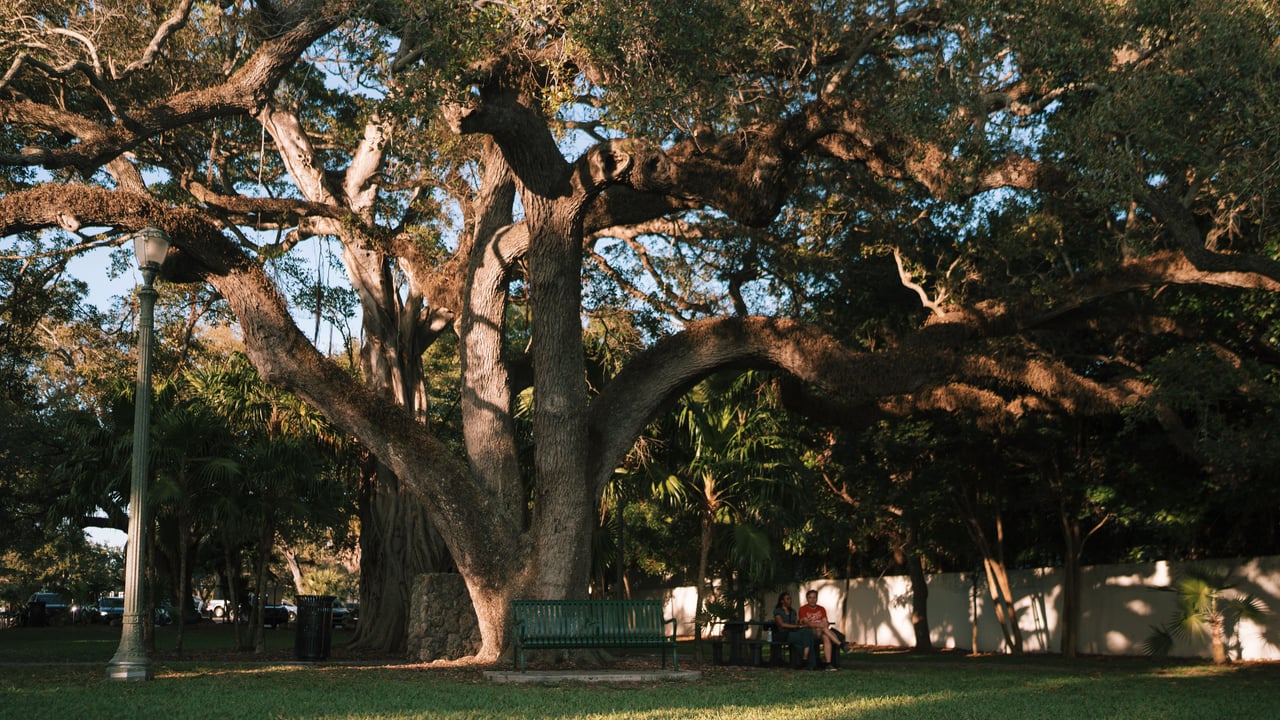
Living in Coral Gables means living inside a piece of designed beauty. Founded in the 1920s as one of America's first planned "garden cities," the Gables was built to a vision — Mediterranean Revival architecture, tree-canopied boulevards, grand entrances, and public spaces like the Venetian Pool and the Biltmore — and that vision still governs the city today. For luxury buyers, the result is a place that feels permanent, walkable, and quietly elegant in a way newer Miami neighborhoods can't replicate. Here's what daily life actually looks like, and where to buy to get the most of it.
The Architecture and the Standards Behind It
The Gables looks the way it does because the city protects it. Coral Gables maintains strict architectural and design standards, an enforced Mediterranean aesthetic in many zones, and meaningful oversight of renovations and new construction. For homeowners, that's a double-edged gift: it preserves the canopy, the character, and the property values — and it means any renovation or build comes with a real review process. From my construction background, I make sure buyers understand what the city's guidelines will and won't allow before they fall for a home with big renovation plans. The standards are exactly why the Gables holds its value; they're also exactly why you want representation that knows the process.
Daily Life: Dining, Shopping, and Green Space
Coral Gables lives at a walkable, civilized pace. Miracle Mile and the surrounding streets anchor the city with dining, boutiques, and a genuine downtown rhythm; Giralda Plaza offers a pedestrian dining promenade; and the city's green spaces — from the Granada and Biltmore golf corridors to neighborhood parks — keep the canopy at the center of life. The Venetian Pool and the historic Biltmore Hotel give the city civic landmarks that double as lifestyle amenities. What strikes buyers relocating from denser cities is how complete the Gables feels: you can live, dine, school your children, and recreate without leaving the city's tree-lined grid.
I tell relocating clients to spend one ordinary weekday in the Gables before they decide — coffee on the Mile, a midday walk under the canopy, dinner on Giralda. The city sells itself at street level far better than any listing photo.
Planning a move? Get my free guide, Finding Your Corner of Miami — neighborhoods, schools, and how to buy here, sent straight to your inbox.
Where to Live: The Gables' Distinct Sections
The Gables isn't one neighborhood; it's many. Its gated waterfront enclaves — Cocoplum, Gables Estates, Old Cutler Bay — offer security and bay access; the gated communities guide breaks them down. The golf sections around Riviera Country Club and the Biltmore offer established homes with green frontage. The central, walkable streets near Miracle Mile and the University of Miami suit buyers who want to be in the heart of the city. And the new boutique buildings along the commercial corridors offer lock-and-leave luxury — covered in my new developments guide. Choosing among them comes down to whether your priority is water, green space, walkability, or low-maintenance living.
Schools and Family Living
Coral Gables is anchored by some of the area's most respected public and private schools and sits beside the University of Miami, which shapes the city's culture and calendar. For households prioritizing education, the concentration of strong school options within a walkable, canopied city is a major draw — I cover the specifics in my Coral Gables schools guide. The combination of academic options, parks, and a designed, pedestrian-scale city is why so many buyers relocating to Miami for the long term land in the Gables.
What to Weigh Before You Move
Living in the Gables rewards going in clear-eyed. The architectural standards that preserve the city also govern your renovations, so I make sure buyers understand the review process before they purchase a project home. The canopy and older housing stock mean structure, systems, and (on waterfront lots) seawall condition deserve a careful read — my build background is built for exactly this. And the city's distinct sections live very differently, so matching the right neighborhood to your priorities is the difference between liking the Gables and loving it. None of this is a deterrent; it's the homework that makes the move right the first time.
Getting Around and Daily Logistics
Coral Gables is unusually walkable for South Florida, but it still lives at a Miami pace. The central grid around Miracle Mile and Giralda is genuinely pedestrian, and many neighborhoods let you walk to coffee, dining, and parks under the canopy. For everything beyond, the city's central location is the real advantage: you're minutes from Coconut Grove, the airport, Brickell, and the bay, which makes the Gables a practical base whether you commute downtown or travel often. Buyers relocating from transit-heavy cities should plan around driving for longer trips, while enjoying the walkability the central sections offer — it's a genuine middle ground that few Miami neighborhoods strike.
A Note on Ownership Costs and Insurance
Owning in the Gables carries the same coastal-Florida cost realities as the rest of the region — property taxes, insurance, and, on waterfront or condo property, the resilience and HOA considerations that come with the territory. The city's older housing stock also means systems and structure deserve a careful read before purchase. From my construction background, I help buyers model the true cost of ownership — not just the purchase price — and read a home's condition honestly, so the elegance of the Gables doesn't mask deferred work or surprise carrying costs. The City Beautiful is worth its premium; you just want to know exactly what that premium includes before you commit.
Frequently Asked Questions
Why is Coral Gables called the City Beautiful? It was founded in the 1920s as a planned "garden city" with Mediterranean Revival architecture, tree-canopied boulevards, and designed public spaces — a vision the city still protects through strict standards.
Is Coral Gables good for families? Many families are drawn to its walkable scale, parks, respected schools, and proximity to the University of Miami. See my Coral Gables schools guide for specifics.
What are the main areas to live in Coral Gables? Gated waterfront enclaves (Cocoplum, Gables Estates, Old Cutler Bay), golf sections (around Riviera and the Biltmore), the central walkable streets near Miracle Mile, and new boutique condo buildings.
Can I renovate freely in Coral Gables? Not entirely — the city maintains architectural and design oversight. It's worth understanding the review process before buying a home you intend to renovate.
Related reading: Best Gated Communities in Coral Gables · Coral Gables Luxury Homes Guide · Coral Gables Architecture Guide 2026 · Coral Gables Schools Guide 2026 · Homes Near Riviera Country Club
Chanel Hunter Milian at Douglas Elliman · License #3302916 · Equal Housing Opportunity
