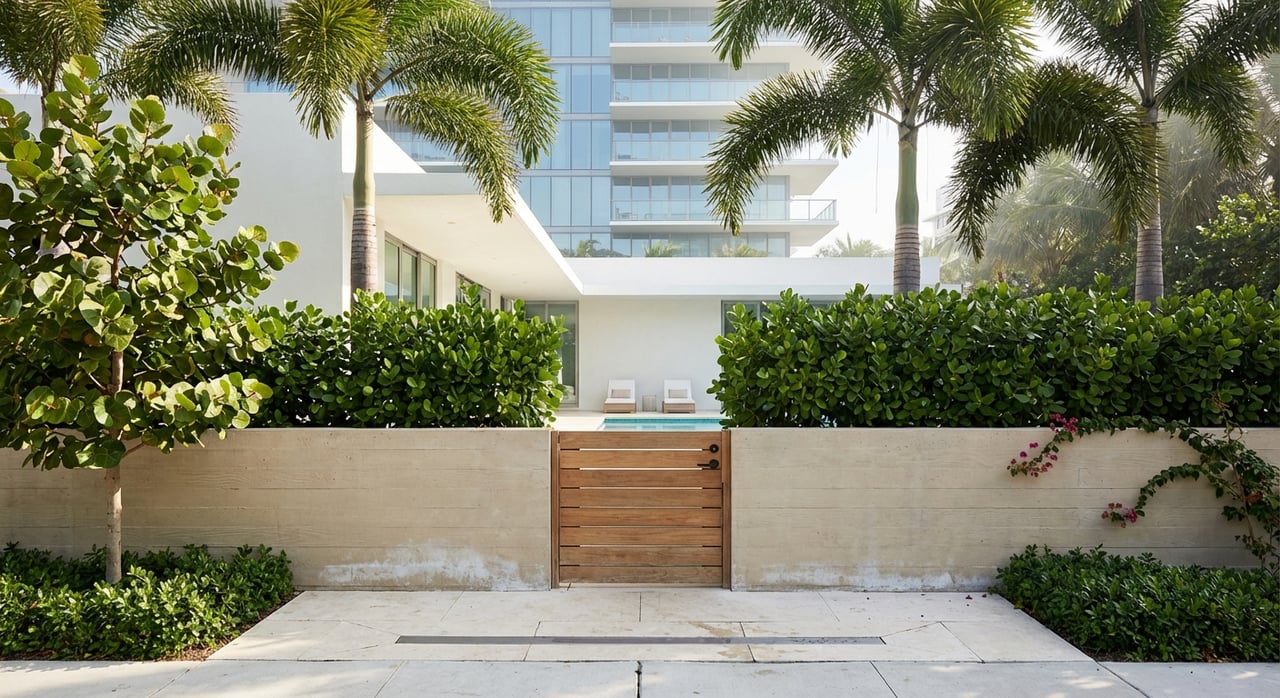
You have two very different ways to live in Miami Beach: rise above it all in a serviced condo tower or retreat to a private home with water at your doorstep. Both offer sun, sea, and access to world‑class dining, but the daily rhythm and long‑term ownership feel are not the same. In this guide, you’ll learn how amenities, privacy, maintenance, costs, rules, and risk differ so you can choose the right fit. Let’s dive in.
Quick map: where each lifestyle lives
Miami Beach runs south to north with distinct zones. South Beach is arts and dining heavy with high‑rise living near Ocean Drive and Lincoln Road. Mid‑Beach concentrates branded luxury and hotel‑residences. North Beach has a calmer, more residential feel with a broader range of buildings and price points. The city’s own neighborhood guide highlights these differences and walkable corridors in each area. Explore the city’s neighborhood overview and visitor map.
Private, waterfront enclaves ring the bay side. The Venetian and Sunset Islands, North Bay Road, and Star and Hibiscus are known for estate privacy, large lots, and private docks. These areas often attract buyers who prioritize boating and outdoor entertaining in a quieter setting. If that is you, you will likely focus on single‑family homes or townhomes on or near the water.
Condo towers: what you get
Luxury high‑rises deliver a hotel‑style package. You typically find 24‑hour concierge and security, valet, resort pools, full‑service spas and gyms, beach club access, owner lounges, and sometimes on‑site dining or room service. Buildings like Continuum showcase this full amenity stack for a lock‑and‑leave lifestyle. See a representative amenity set at Continuum Miami Beach.
This setup minimizes hands‑on maintenance and makes it easy to host guests quickly. Many owners split time between cities and value the ability to arrive with everything ready. Inside your unit, privacy can be high, especially with private elevators or full‑floor layouts, though you share common areas, staff, and rules with neighbors.
Who condo living fits
- You want turnkey ease with professional services on site.
- You value walkability to dining, culture, and the beach.
- You prefer predictable, centralized maintenance through association dues.
- You plan part‑time use and want lock‑and‑leave confidence.
Private homes and townhouses: what you get
A single‑family home or townhouse gives you your own entry, garage, and outdoor space. In waterfront pockets like the Venetian or Sunset Islands and along North Bay Road, many homes include docks and direct bay access. That supports daily boating, large alfresco entertaining, gardening, and a more independent routine.
You set the rules for your property and control privacy without shared hallways or elevators. Interior square footage and lot sizes are typically larger than condo units at a similar price tier, especially in estate areas. The tradeoff is more responsibility for upkeep and a short drive to reach the most walkable dining districts.
Who private homes fit
- You want maximum privacy and outdoor living.
- You plan to boat or keep water toys at home.
- You prefer control over design, systems, and scheduling vendors.
- You are comfortable managing ongoing maintenance directly.
Costs and maintenance: apples to apples
Condo ownership centralizes many expenses in monthly dues that cover staffing, common areas, master insurance, and sometimes utilities. Fees vary by building and services. Recent analysis of Miami luxury condo markets places typical association dues in the high hundreds per month, with many full‑service towers well above $1,500 per month depending on square footage and amenity level. For context, review this overview of Miami luxury condo HOA fee trends.
With a single‑family home, you may have little or no HOA, but you carry the full cost of landscaping, pool care, exterior maintenance, mechanicals, and your own insurance policies. On the water, plan for dock and seawall upkeep as part of your annual budget. Property taxes typically scale with lot size and assessed value, so larger estate parcels often carry higher taxes than a condo at a similar market value.
Safety, reserves, and assessments in condos
Florida updated condo safety and reserve rules after Surfside. Buildings three stories or higher must complete milestone inspections and a Structural Integrity Reserve Study, and associations generally must fund those reserves. These changes improve transparency but can lead to increases in dues or special assessments, especially in older buildings catching up on deferred work. You can read the statute in Florida Condominium Act Chapter 718.
During due diligence on any condo, request the latest reserve study, the current budget, insurance binders, recent board minutes on inspections, and any notices on special assessments. Also note local recertification timelines enforced by the City of Miami Beach. For context on local procedures, see the city’s building recertification guidance.
Insurance, flood, and resilience
Insurance costs in Florida have been volatile in recent years. Condo associations carry master building policies funded through dues, and unit owners typically carry HO‑6 coverage for interiors and personal property. Trends vary by carrier, county, and building condition, but owners should budget thoughtfully and review coverage details before closing. See a recent overview of Florida homeowner and condo insurance trends.
Miami Beach is low‑lying and exposed to tidal flooding and future sea‑level rise. Always check FEMA flood zones, elevation, and mitigation features for any property. University of Florida and NOAA resources offer helpful mapping and context on local risk. Start with this primer on flood exposure and sea‑level rise tools.
Walkability, dining, and culture
If you want to live steps from restaurants and galleries, focus your condo search in South Beach, Sunset Harbour, or select Mid‑Beach corridors. These areas promote a pedestrian lifestyle with beach and nightlife close by. Private island homes deliver more privacy and space, but you will typically drive a few minutes for the same dining and cultural options. For neighborhood orientation, use the city’s Miami Beach visitor guide.
Boating and beach access
If boating every weekend is your goal, a single‑family waterfront home with a private dock is the clearest path. It allows immediate launch and direct bay access. Many luxury towers offer beach clubs and may have nearby marina partnerships, but individual deeded dockage is uncommon. If a dock is essential, verify it early in the search.
Short‑term rentals: know the rules
Miami Beach tightly regulates short‑term rentals. Rentals for less than six months and one day are prohibited in single‑family homes and in many multi‑family districts unless the property is specifically authorized and licensed. Condo buildings often add stricter rules in their documents. Before underwriting rental income, check the city’s official short‑term rental rules and zoning map and the condo’s governing documents.
Financing and lender scrutiny for condos
Many lenders will review a condo project before approving a loan, with questions on building condition, reserves, insurance, and special assessments. Projects with significant deferred maintenance or funding gaps may be ineligible for certain loan programs. If you plan to finance, ask your lender about project eligibility early and be ready to provide building documents. See the baseline standards in Fannie Mae’s project review guidance.
What it costs: recent medians
At the county level, MIAMI REALTORS reported February 2025 medians of about 455,000 for condos and about 655,000 for single‑family homes in Miami‑Dade. These figures show the general pattern that houses trade above condos at the county scale. Miami Beach neighborhoods vary widely by product type and location, so use local comps and HOA fees per square foot to compare options. Review the association’s market snapshot here: MIAMI REALTORS market update.
Quick decision guide
- Choose a condo if you want high‑service living, walkable access, and centralized maintenance with predictable dues.
- Choose a private home if you want outdoor space, boating from your backyard, and full control over property decisions.
- If you are undecided, try this: list your top five daily lifestyle priorities and your top five ownership risk tolerances. Match them to the profiles above.
How we help you choose with confidence
You deserve a clear, data‑informed path to the right Miami Beach home. Our approach blends neighborhood fluency with development‑grade due diligence on building reserves, insurance, and recertification timelines. We map lifestyle goals to product type, then model true carrying costs so you can compare apples to apples. Ready to explore a curated list of towers or private homes that fit your brief? Connect with Chanel Hunter Milian Real Estate for tailored guidance and access.
FAQs
What’s the main lifestyle difference between a Miami Beach condo and a private home?
- Condos deliver hotel‑style services and walkability, while private homes offer maximum privacy, outdoor space, and often private docks for boating.
How do condo fees in Miami Beach compare to a home’s monthly costs?
- Many luxury towers exceed $1,500 per month in dues depending on size and services, while homes may have low HOA costs but higher direct expenses for landscaping, pool, exterior, and insurance.
Are special assessments more common in condos now?
- New safety and reserve rules require inspections and reserve funding, which has led some associations to levy assessments, especially in older buildings catching up on maintenance.
What should I review before buying a condo unit in Miami Beach?
- Request the latest reserve study, current budget, insurance binders, inspection and recertification updates, and any notices of special assessments.
Can I do short‑term rentals in Miami Beach?
- Short‑term rentals are tightly restricted. Single‑family homes cannot be rented for less than six months and one day, and many buildings prohibit it unless specifically authorized and licensed.
How does flood risk affect my purchase decision?
- Check flood zones, elevation, and mitigation features for each property. Flood exposure can influence insurance costs and long‑term resilience planning.
