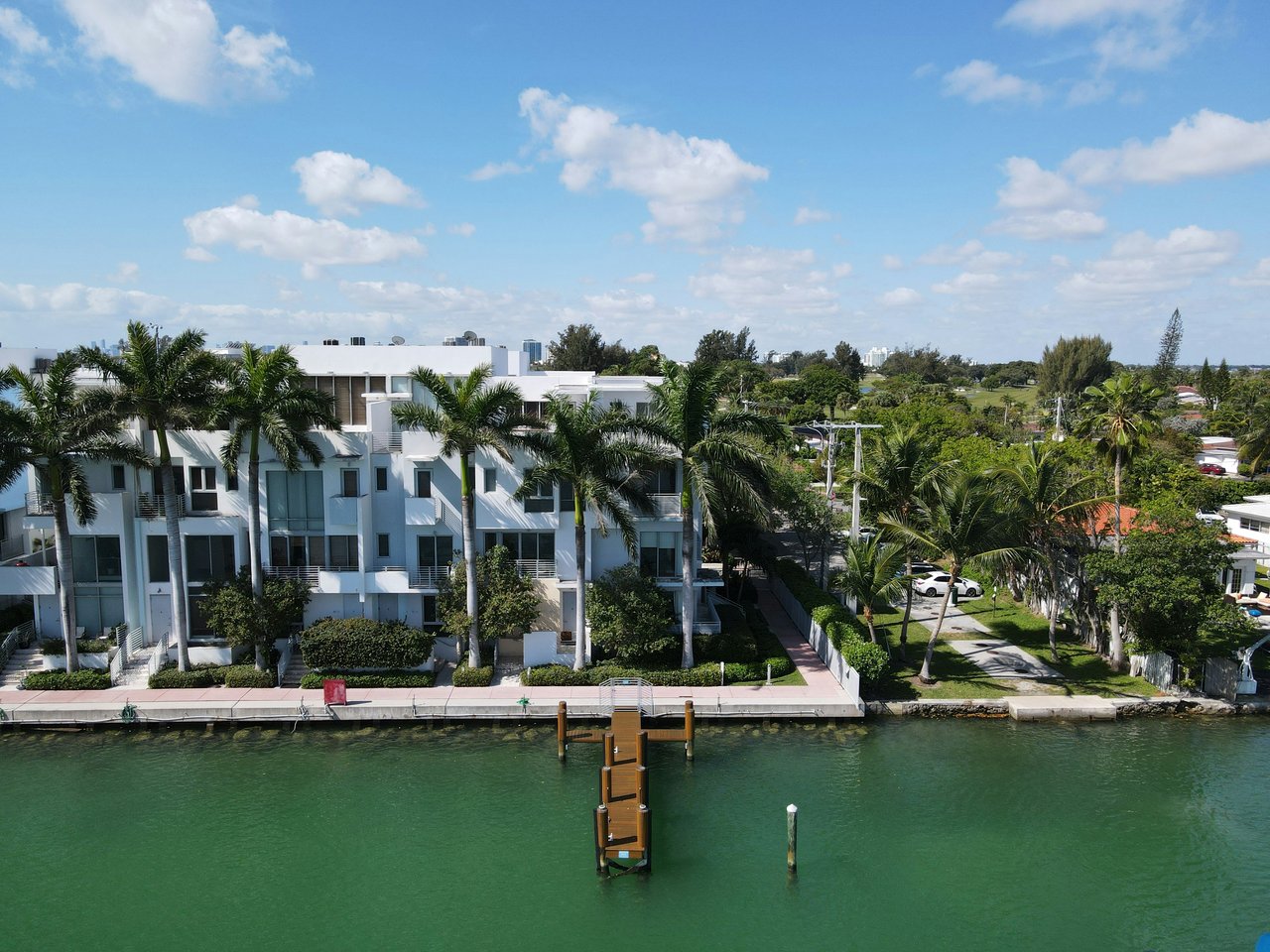
A Miami home inspection is one of the most important, and most misunderstood, steps in any purchase. Buyers often think of it as a simple pass-fail checkup, but in our market it is really a due-diligence period that protects your money, informs your insurance, and gives you leverage to renegotiate. Because of our climate, our building stock, and Florida's insurance environment, a Miami inspection looks at things that would barely register in other parts of the country. As a native Miamian who has stood through hundreds of these, let me walk you through exactly what gets checked and why each item matters.
The General Home Inspection
Every purchase should start with a licensed general inspector who evaluates the home's major systems and structure. Over a few hours, the inspector reviews:
- Roof condition, age, and signs of past or active leaks.
- Structure and foundation, including cracks, settlement, and any movement.
- Electrical panels, wiring, and safety, particularly in older homes.
- Plumbing supply and drainage, water heaters, and signs of leaks.
- HVAC, which in Miami is non-negotiable, since cooling is everything here.
- Windows and doors, especially impact-rated installations buyers now expect.
- Appliances, drainage, and general safety throughout the home.
You will receive a detailed report, usually with photos, ranking issues from minor to significant. This becomes the foundation for any repair requests, and it pairs directly with my overview of the full Miami home buying process.
Miami-Specific Inspections You Should Not Skip
Beyond the general inspection, our market calls for several specialized checks, several of which your insurer will require anyway.
Wind mitigation inspection. This documents the home's hurricane-resistant features: roof shape, roof-to-wall connections, impact glazing, and roof covering. It directly lowers your insurance premium, sometimes dramatically, so it pays for itself.
Four-point inspection. Required by many insurers for older homes, this focuses on the four systems carriers care about most: roof, electrical, plumbing, and HVAC. Without a clean four-point, you may struggle to get affordable coverage.
Roof inspection. In a climate this demanding, roof age and condition drive both safety and insurability. Many insurers balk at roofs beyond a certain age, so this is a make-or-break item.
Termite and wood-destroying organism inspection. Our subtropical climate is ideal for termites. A WDO inspection is standard and often required by lenders.
Survey and elevation. A current survey confirms boundaries and any encroachments, while an elevation certificate matters enormously for flood insurance pricing.
Condo Buyers: Inspect the Building, Not Just the Unit
If you are buying a condo, the unit inspection is only half the picture. The financial and structural health of the building can affect you far more than a leaky faucet ever will. During your due-diligence period, review the association's reserves, recent and pending special assessments, and the status of the milestone inspection and structural integrity reserve study that Florida now requires for older buildings. I lay out every warning sign in my Miami condo HOA red-flags guide, and buyers of new construction should also read my new-construction warranty and punch-list playbook.
Why Inspections Are Really About Leverage
Here is what experienced buyers understand: the inspection is not just about deciding whether to proceed. It is leverage. What you learn during this period can be used to renegotiate the price, request repairs or credits, or, if something serious surfaces, walk away with your deposit intact during the contingency window.
I never want a client to buy blind, and I never want them to overreact to cosmetic issues that are easily fixed. My role is to help you separate the deal-breakers from the negotiating points from the simple cost of homeownership, then build the smartest response. That judgment, knowing which findings matter and which are noise, is where good representation quietly saves clients thousands.
What a Miami Home Inspection Costs, and Who Pays
In almost every Florida residential deal, the buyer pays for inspections. A general inspection typically runs a few hundred dollars depending on the home's size, with specialized inspections like wind mitigation, four-point, and WDO adding modest additional fees. It is money exceptionally well spent: a single inspection finding can save you many times its cost in renegotiation or by helping you avoid a money pit entirely.
What Happens After the Inspection: Your Three Options
Once the report is in hand, you generally have three paths, and choosing the right one is where strategy comes in.
- Accept and proceed. If the findings are minor or expected for the home's age, you move forward as agreed. Not every issue warrants a renegotiation, and pushing on small items can sour a deal you want.
- Request repairs or a credit. For meaningful findings, you can ask the seller to make repairs before closing or, more commonly in Miami, provide a closing credit so you can handle the work your way. I usually prefer credits, because they give my buyers control over how and by whom the work gets done.
- Renegotiate or walk away. If something significant surfaces, a failing roof, serious structural concerns, undisclosed water damage, you can renegotiate the price substantially or terminate the contract during your inspection window and recover your deposit.
The art is in calibrating your response to the finding and to the market. In a tight single-family segment where the seller has leverage, an aggressive repair list can cost you the home. In a well-supplied condo market, you have more room to push. I read that balance for every client and frame the request so it is firm, reasonable, and most likely to land in your favor, which is exactly the kind of judgment that separates a smooth purchase from a deal that falls apart.
Frequently Asked Questions
Can I waive the inspection to win a competitive offer? You can, and some buyers do in bidding wars, but I rarely recommend it. Waiving the inspection means accepting the home's condition sight-unseen, which is a significant risk on anything but brand-new construction. There are usually smarter ways to strengthen an offer.
How long is the inspection period in Miami? It is negotiated in the contract, commonly ranging from seven to fifteen days. During this window you complete inspections and decide how to proceed.
What is the difference between a four-point and a wind mitigation inspection? A four-point looks at the condition of four key systems for insurability, while wind mitigation documents hurricane-resistant features to lower your premium. Many buyers need both, and they serve different purposes.
Should sellers get a pre-listing inspection? Often, yes. A pre-listing inspection lets a seller fix or disclose issues on their own terms, reducing the chance of a buyer using surprises to renegotiate later. It is a smart, increasingly common move in the Miami luxury market.
Let's Make Sure You Buy With Eyes Wide Open
A Miami home inspection done right is your best protection against an expensive mistake, and knowing what to check, and how to respond, is exactly the expertise I bring to every buyer I represent. If you are preparing to buy this year, reach out to Chanel Hunter Milian through my contact page, and I will make sure your due diligence is thorough, strategic, and squarely in your favor.
