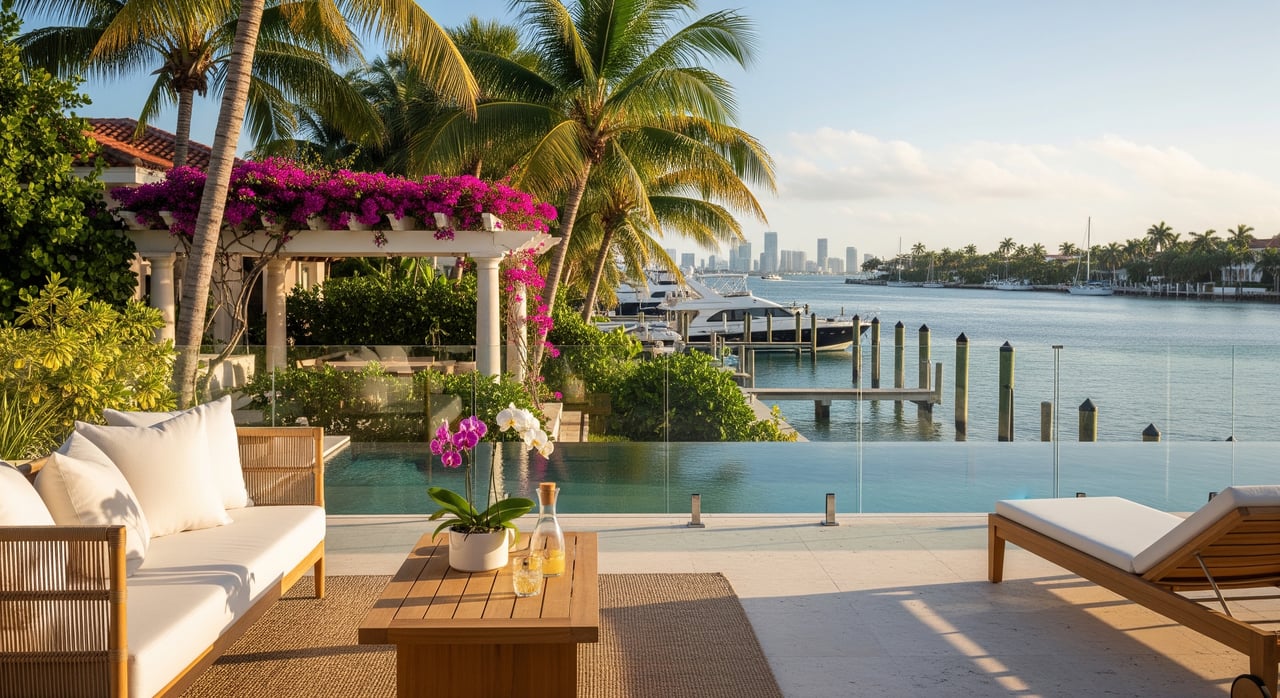
What draws people to Coconut Grove today is not just the water or the banyan canopy. It is the daily rhythm that feels unhurried, creative, and deeply livable. If you are weighing a primary home or a second home in Miami, you likely want a place that blends design, convenience, and a sense of community. This guide gives you a clear picture of what life here looks like now, from the waterfront to the village streets, plus how the local luxury market is positioned. Let’s dive in.
Coconut Grove at a glance
Coconut Grove is one of Miami’s oldest neighborhoods, known for a village feel and a strong connection to the bay. You find tree-lined streets, low to mid-rise corridors, and pedestrian-friendly pockets, especially around Cocowalk, Grand Avenue, and Main Highway. It offers a quieter, boutique atmosphere compared with the high-rise cores of Brickell and Downtown, yet it stays close to both.
You meet a mix of long-term families, design-forward professionals, and boating enthusiasts. Many buyers choose the Grove for a green, walkable lifestyle and fast access to Coral Gables, Brickell, and the airport. The result is a neighborhood that balances privacy with a social, small-town cadence.
Daily rhythm and getting around
On weekdays, cafés and neighborhood restaurants stay active with locals working nearby or commuting to Brickell and Downtown. In the evenings, outdoor dining and sunset walks by the bay set the tone. Weekends bring farmers markets, cultural events, and a busier waterfront.
Getting around is straightforward. Typical drive times without heavy traffic run about 10 to 20 minutes to Brickell and Downtown, and 15 to 30 minutes to Miami International Airport. Public transit options include Metrobus and the Coconut Grove Metrorail station, which connects you into the rail network. The free neighborhood trolley links local nodes, which you can preview through the City of Miami’s Miami Trolley overview. For regional routes and schedules, check the county’s Metrorail system page.
Walkability varies by pocket. The village core is easy to navigate on foot, while some residential streets are more car-oriented. Bike lanes and paths exist, although connectivity varies by block.
Waterfront lifestyle
The Grove borders Biscayne Bay and has an active sailing culture. Dinner Key Marina serves as a focal point for boaters, with quick access to island-hopping and day sailing on the bay. You also see paddleboards, kayaks, and small craft on calm days. Private docks and slip access are prized, and properties with proven boating infrastructure often command a premium.
Public waterfront spaces add to daily life. Peacock Park offers a wide green space for casual sports and community events. The Barnacle Historic State Park preserves a slice of the neighborhood’s early history along a quiet waterfront trail. You can learn about the park’s grounds and programming through the Barnacle Historic State Park page.
Coconut Grove is bayfront, not beachfront. To reach ocean beaches such as Crandon Park or South Beach, plan for a 15 to 30 minute drive depending on traffic.
Parks, culture, and dining
Culture in the Grove is anchored by celebrated institutions and a steady events calendar. The historic Vizcaya Museum & Gardens offers formal gardens, Bayfront vistas, and year-round programming. Explore current exhibitions and events on the Vizcaya Museum & Gardens official site. The Kampong, part of the National Tropical Botanical Garden, features a notable plant collection and intimate waterfront grounds, which you can learn more about through The Kampong’s official page.
The neighborhood’s long-running Coconut Grove Arts Festival draws visitors each year and showcases regional and national artists. See the latest festival details via the Coconut Grove Arts Festival site. Throughout the year, you will also find gallery pop-ups, makers’ markets, and small live-music venues.
Dining leans design-forward and chef-driven. You will find cafés, bakeries, wine bars, and refined restaurants with seasonal menus. The vibe feels relaxed and intimate rather than nightclub heavy. Retail centers on boutique shopping, artisanal goods, and home design stores that fit the neighborhood’s aesthetic.
Homes and architecture
Housing in Coconut Grove spans historic and modern, with a consistent focus on design. You see late 19th and early 20th century bungalows and Mediterranean Revival homes, many restored with care. Mid-century houses and contemporary custom builds bring clean lines, large windows, and indoor-outdoor layouts. Townhomes and tasteful infill add turnkey options with lower maintenance.
Condominium inventory ranges from garden-style and boutique buildings near the village streets to luxury waterfront towers that have drawn international attention for architecture and amenities. Along the bay and key waterfront streets, high-end residences often incorporate expansive glazing, terraces, and landscape design that frames views.
Pricing reflects the neighborhood’s premium status. Single-family homes often range from the upper six figures on smaller interior lots to several million for waterfront estates or architect-designed properties. Condominiums typically span from the mid six figures for interior units to the multi-million range for large waterfront residences. Inventory in desirable pockets can be tight, which helps sustain pricing at the high end.
Market positioning and what it means for you
Coconut Grove sits as a premium residential enclave in Miami-Dade, supported by strong demand for design, lifestyle, and location. High-end waterfront and architecturally notable homes are especially scarce, which supports price stability. Both primary buyers and second-home owners are active, and investors value the area’s brand equity and long-term desirability.
If you plan to buy, be prepared to move decisively when the right property appears. Pre-approval or proof of funds, early due diligence on insurance, and clear criteria for boating access or walkable pockets help you act with confidence. If you plan to sell, design-led presentation, precise pricing, and targeted distribution reach are essential to capture demand.
Practical buyer checklist
Use this quick reference as you shape your search:
- Verify flood zone status and elevation. Review FEMA designations and request any available elevation certificates or flood claims history. The FEMA Flood Map Service Center is a useful starting point.
- Get early insurance quotes. Obtain estimates for wind, flood, and homeowners coverage, especially for waterfront or low-lying properties.
- Confirm boating details. If a dock or slip is a priority, verify ownership, permits, seawall condition, and any marina waitlists or lease terms.
- Review HOA or condo documents. Check monthly fees, reserves, recent special assessments, and rental rules if you are considering a second home or investment.
- Clarify lifestyle priorities. Decide whether you want a walk-to-café village experience or a quieter estate setting, and how important fast beach access is to your routine.
- Plan for hurricane season. Review shutter or impact glazing, generator readiness, and logistics for storm preparation and recovery.
Resilience, codes, and long-term outlook
Parts of Coconut Grove sit in FEMA flood zones. Many buyers carry flood insurance and evaluate base flood elevations, drainage, and construction standards. Miami-Dade’s building codes emphasize hurricane resilience, including impact-resistant glazing and best practices for mechanical systems. The county and City of Miami continue to plan for sea-level rise and stormwater management, which can influence long-term infrastructure and local drainage projects.
These realities shape investment decisions. For many buyers, the lifestyle and neighborhood equity outweigh the added diligence and insurance costs. Focus your evaluation on site elevation, structure type, and the quality of recent upgrades, especially on or near the water.
Schools and everyday services
Coconut Grove is served by Miami-Dade County Public Schools, with several private and independent schools located in or near the neighborhood. Buyers with children often review public zoning, program offerings, and commute times for private options. Everyday services are close at hand in the village core, including groceries, fitness studios, and wellness providers. Hospitals and medical centers are located in adjacent neighborhoods.
Is Coconut Grove the right fit?
If you value design, a relaxed village cadence, and quick access to the water, Coconut Grove delivers an uncommon blend of privacy and connection. You can bike to coffee, sail at sunset, explore garden estates, and still reach Brickell or the airport with ease. The market rewards thoughtful, well-located properties and rewards sellers who present with intention.
For curated, design-aware guidance that pairs lifestyle fit with smart due diligence, connect with Chanel Hunter Milian Real Estate. Request Curated Guidance and move forward with clarity and confidence.
FAQs
How walkable is Coconut Grove for daily errands?
- The village core around Cocowalk, Grand Avenue, and Main Highway is highly walkable for cafés, shops, and essentials, while some residential pockets are more car-oriented.
What is the commute like to Brickell and the airport?
- Typical drive times without heavy traffic run about 10 to 20 minutes to Brickell or Downtown and 15 to 30 minutes to Miami International Airport.
Are there nearby beaches if I live in the Grove?
- The Grove is bayfront, not beachfront, so you drive about 15 to 30 minutes to reach Atlantic beaches such as Crandon Park or South Beach depending on traffic.
What cultural highlights are close to home in the Grove?
- Vizcaya Museum & Gardens, The Kampong, The Barnacle Historic State Park, and the annual Coconut Grove Arts Festival anchor a robust calendar of exhibitions and events.
Is Coconut Grove a good match for boat owners?
- Yes, the neighborhood’s marina infrastructure and quick Biscayne Bay access are ideal for sailors and powerboaters, but always verify dock rights, permits, and seawall condition before purchasing.
