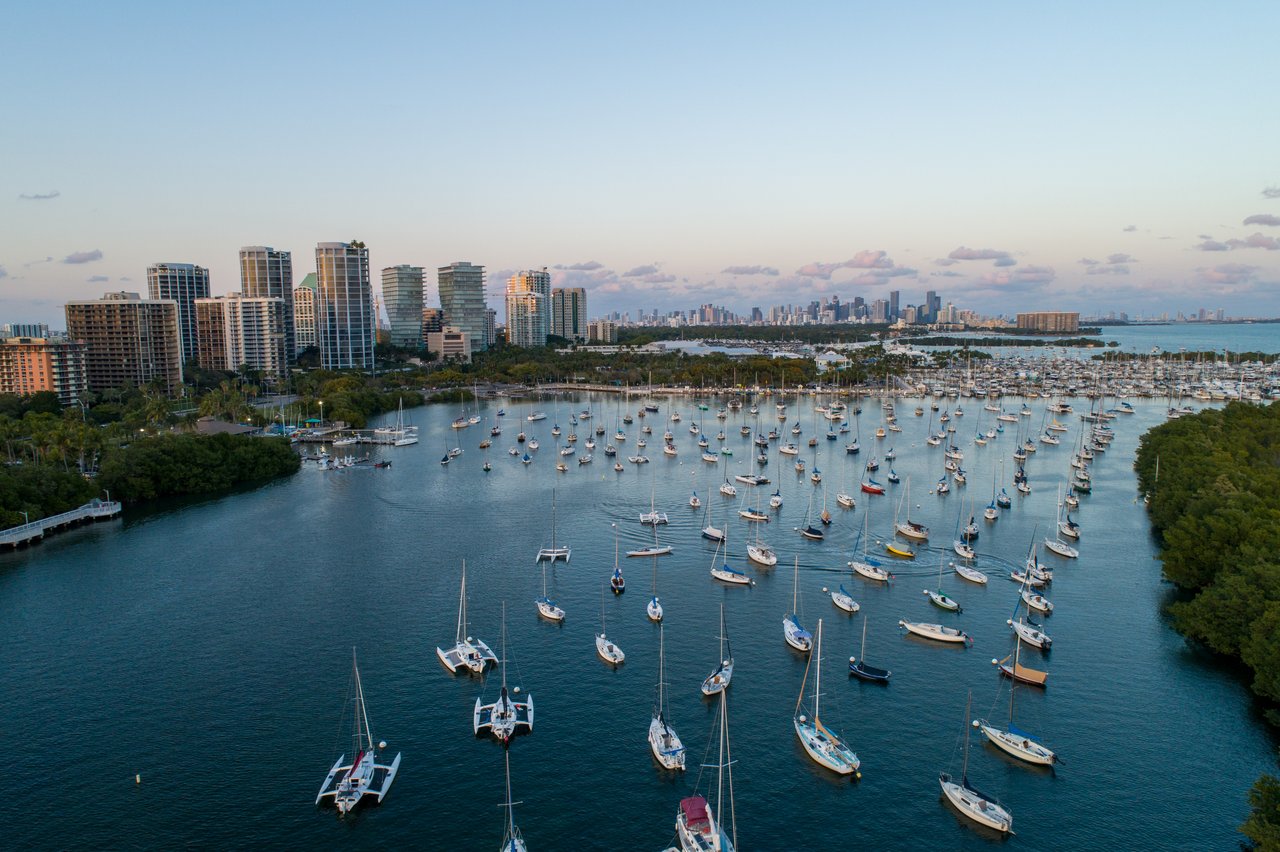
If you're moving to Miami from California, you're following a path many have already taken — and the transition is smoother when you understand what's genuinely different here. The headline differences are real: Florida has no state income tax, the cost structure of luxury real estate is different, and the lifestyle trades California's mountains-and-coast variety for water, warmth, and a more international, year-round outdoor culture. But the details that determine whether your move feels like an upgrade live below the headlines — in which neighborhood you choose, how you buy, and what you do and don't know about Florida property ownership. Here's the orientation I give every California client.
The Tax and Cost Picture
The most-cited reason California buyers relocate to Florida is taxes: Florida levies no state personal income tax, which materially changes the math for high earners. That's a stable, well-known difference — but it's not the whole picture. Florida property taxes, insurance (especially on waterfront and coastal property), and HOA costs on condos all belong in your real cost model, and they work differently than in California. I walk clients through the full carrying-cost picture before they fall for a home, and I cover the mechanics in my Miami property taxes, homestead, and closing costs guide. The point isn't that one state is cheaper — it's that the costs sit in different places, and you want to model yours honestly.
Where California Buyers Land
The neighborhoods I cover each answer a different version of what California buyers tend to want.
Buyers coming from coastal California who want walkability, water, and a village feel gravitate to Coconut Grove — leafy, bayfront, design-forward, with a real downtown core. Those who want designed, canopied elegance and architectural character choose Coral Gables, the City Beautiful, with its Mediterranean standards and grand public spaces. And buyers who want a private, beachfront, island lifestyle — minutes from the city but insulated from it — find Key Biscayne. I help California clients map their old life onto the right Miami neighborhood: if you loved a walkable beach town, the Grove or Key Biscayne may fit; if you loved an established, architectural enclave, the Gables likely will.
The first thing I tell relocating Californians is to resist buying on the first trip. Miami's neighborhoods live very differently, and the right one is obvious once you've spent ordinary time in each — not just toured listings.
Planning your move? Get my free guide, Finding Your Corner of Miami — neighborhoods, the buying process, and what California buyers should know, sent to your inbox. Email [email protected].
What's Genuinely Different About Buying Here
Buying in Miami differs from California in ways worth knowing before you start. Waterfront and coastal property carry insurance and resilience considerations — flood, wind, seawall and elevation on waterfront lots — that my construction background is built to evaluate. Condo ownership now operates under Florida's post-2021 structural-integrity and reserve rules, which make a building's finances and inspection status essential reading; I cover the warning signs in my Miami HOA and condo red-flags guide. And the luxury market here moves heavily off-market, especially in the gated enclaves and best buildings — a lot of the best inventory never hits the portals you've been watching from California.
The Lifestyle Adjustment
California buyers adapt to Miami quickly, but a few shifts are worth setting expectations on. The climate is warm and humid year-round with a defined summer rainy season, which changes how you use outdoor space across the year. The culture is more international and more oriented around the water — boating, the bay, and the beach are central rather than optional. And the city is more car-and-water organized than transit-organized, though the neighborhoods I cover are unusually walkable for Miami. Most clients tell me the trade is worth it; the ones who adjust best are those who chose their neighborhood for how they actually want to live, not just for the home.
How I Help Out-of-State Buyers
Relocating from across the country means you can't drop by for ten showings. I structure remote and relocation buying to work around that — tight, curated home tours timed to your visits, video walk-throughs in between, off-market access so you're seeing more than the public portals, and a clear read on the costs and ownership realities that differ from California. The goal is that by the time you're standing in a home in person, you already trust the shortlist.
Timing Your Move and the Buying Calendar
Cross-country moves succeed when the timeline is planned, not improvised. I generally advise California buyers to begin the neighborhood research and off-market home search well before the move date, use early trips to experience the neighborhoods rather than to buy, and reserve the actual purchase decision for once you've spent real time on the ground. Miami's luxury market doesn't follow the same seasonal rhythm as much of California — demand here is steady year-round, shaped more by relocation and international flows than by a spring selling season — which means the right home can surface at any time, and being ready to move when it does matters more than waiting for a "season." I help buyers stay positioned: pre-qualified where financing is involved, clear on their neighborhood and criteria, and plugged into off-market inventory, so that when the right home appears you can act with conviction rather than scrambling from across the country.
Establishing Florida Residency
For many California buyers, the move is also about establishing Florida residency to realize the tax difference, which involves more than buying a home — it generally means making Florida your primary residence and taking the formal steps the state recognizes. This is genuinely a question for your tax and legal advisors, not your real estate agent, and I always point clients to qualified professionals on the residency and tax specifics. What I handle is the real-estate side: helping you buy the right primary home in the right neighborhood, and understanding how Florida's homestead framework relates to the property you choose, which I outline in my property-taxes guide below.
Frequently Asked Questions
Why are people moving to Miami from California? Common drivers include Florida's lack of a state income tax, the year-round outdoor and waterfront lifestyle, and a more international culture. The right neighborhood choice is what makes the move succeed.
Where do California buyers tend to buy in Miami? Coconut Grove (walkable, bayfront village), Coral Gables (designed, architectural elegance), and Key Biscayne (private island beachfront) are the most common landings among luxury buyers.
What's different about buying real estate in Miami vs California? Coastal insurance and resilience considerations, Florida's condo finance/inspection rules, and a luxury market that moves heavily off-market. The cost structure differs even where total cost doesn't.
Can you help me buy remotely from California? Yes — curated tours timed to your visits, video walk-throughs, off-market access, and a clear read on costs and ownership realities are how I structure relocation buying.
Related reading: Miami Relocation Guide 2026 · Living in Coral Gables: The City Beautiful · Miami Property Taxes, Homestead & Closing Costs · Miami HOA & Condo Red Flags · Key Biscayne Real Estate Guide
Chanel Hunter Milian at Douglas Elliman · License #3302916 · Equal Housing Opportunity
