There are neighborhoods in Miami, and there is Coral Gables. The distinction is intentional.
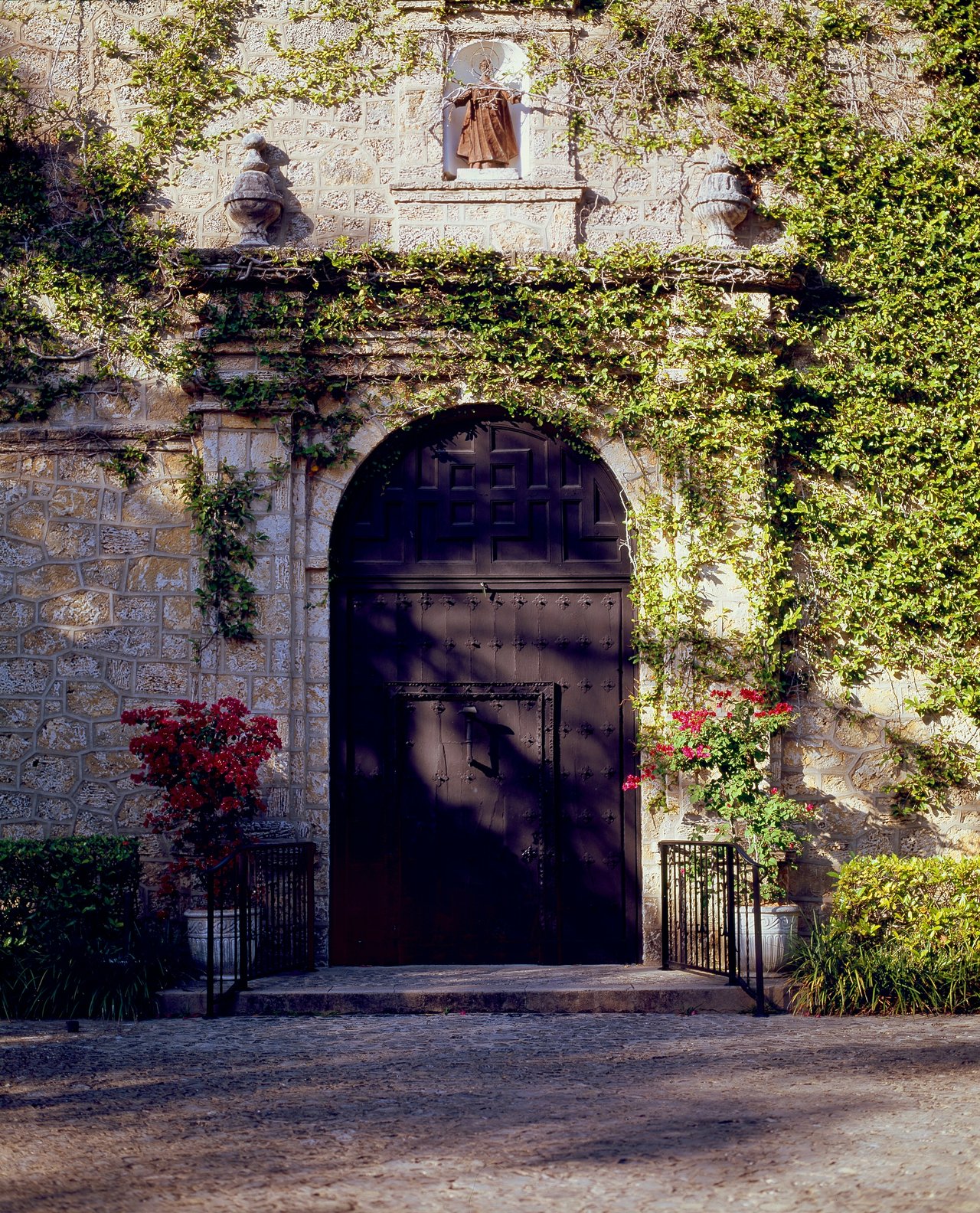
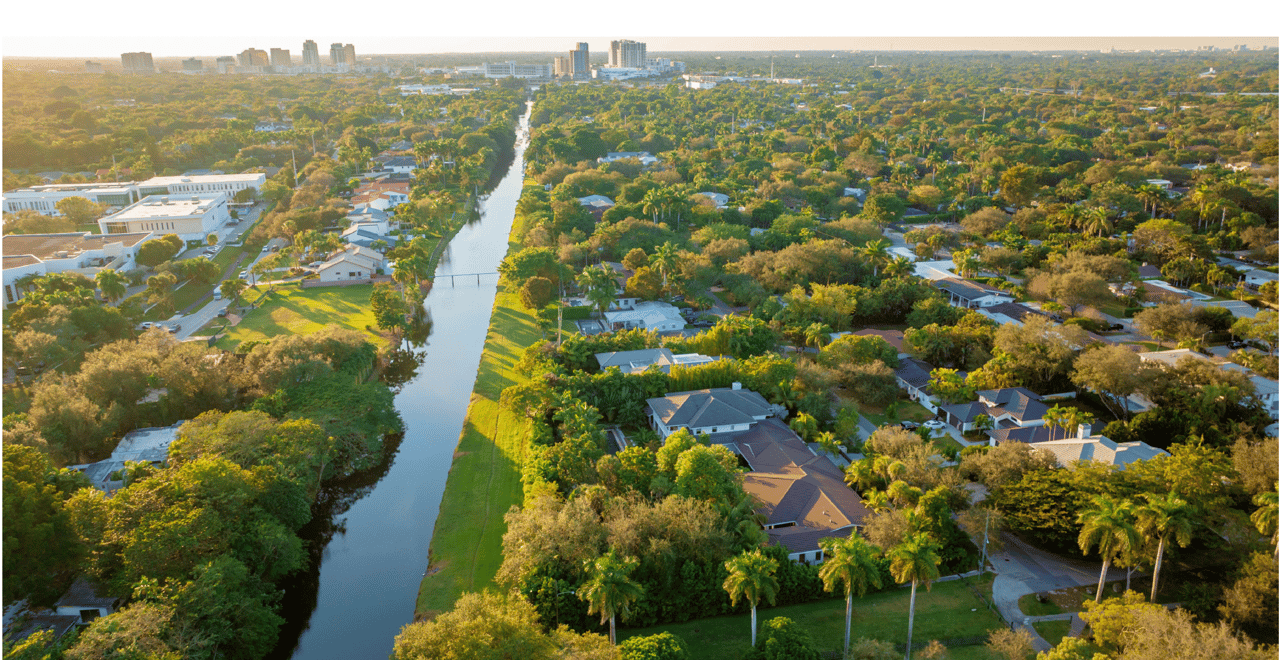
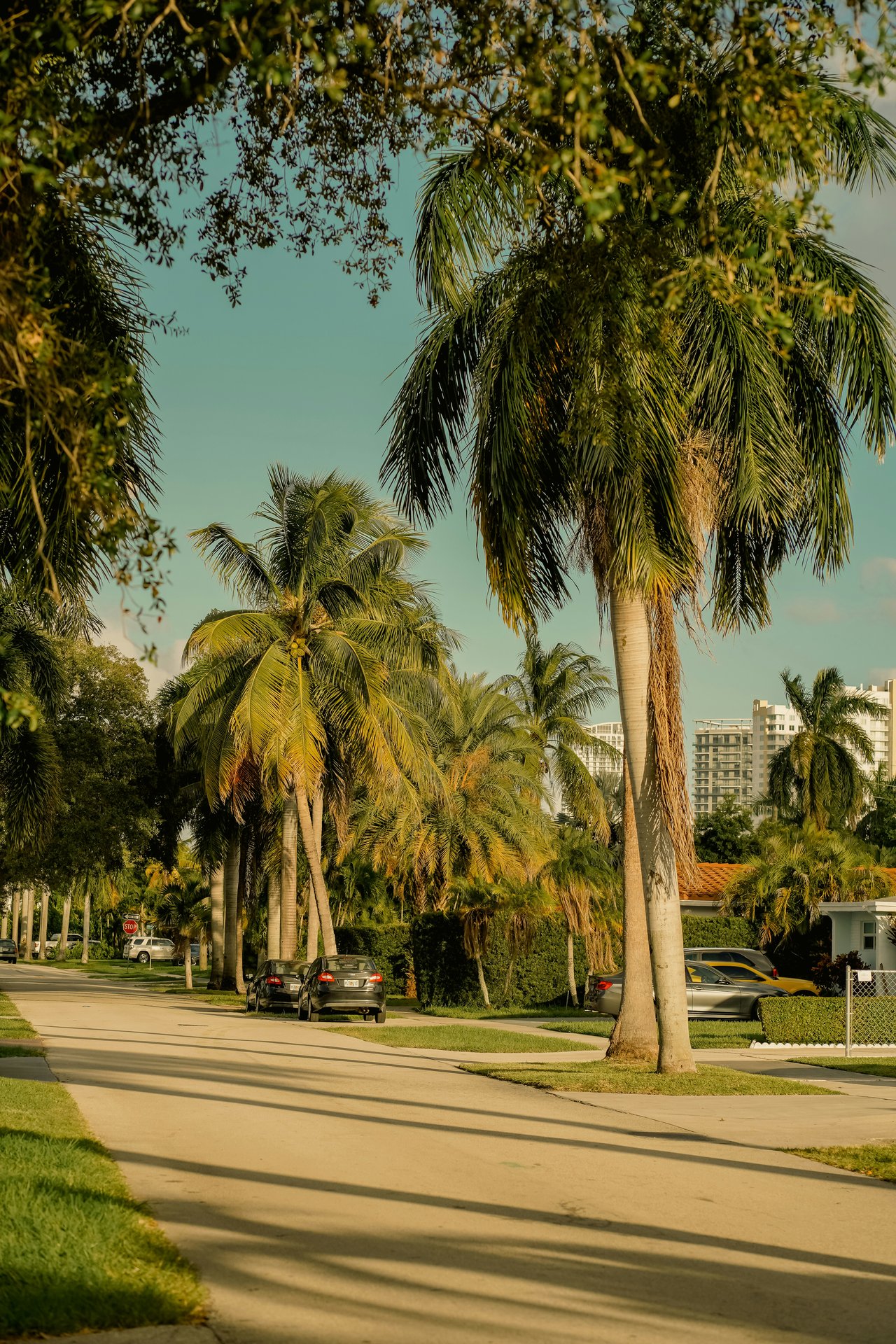
Designed in the 1920s by George Merrick as the only fully planned city in Florida, Coral Gables was conceived as an architectural and civic ideal — a Mediterranean Revival village reimagined for the American tropics, with limestone gateways, banyan-shaded avenues, and ordinances that read more like a charter for beauty than a building code. A century later, those commitments still hold. The result is a neighborhood with the rare combination of architectural conviction, civic stability, and quiet cosmopolitanism that defines Miami’s most enduring address.
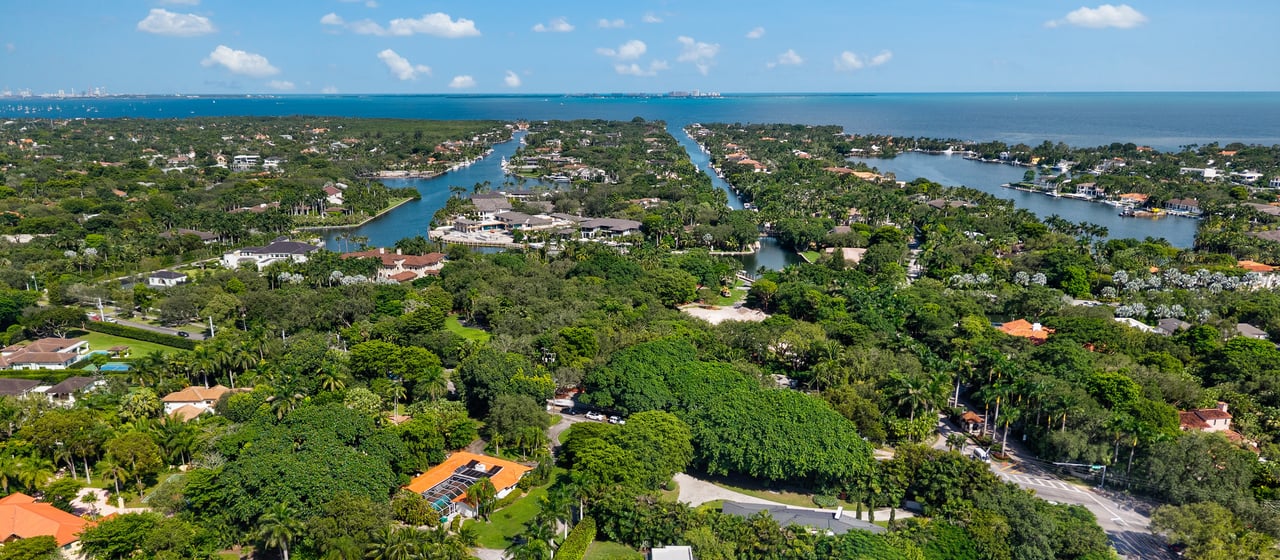
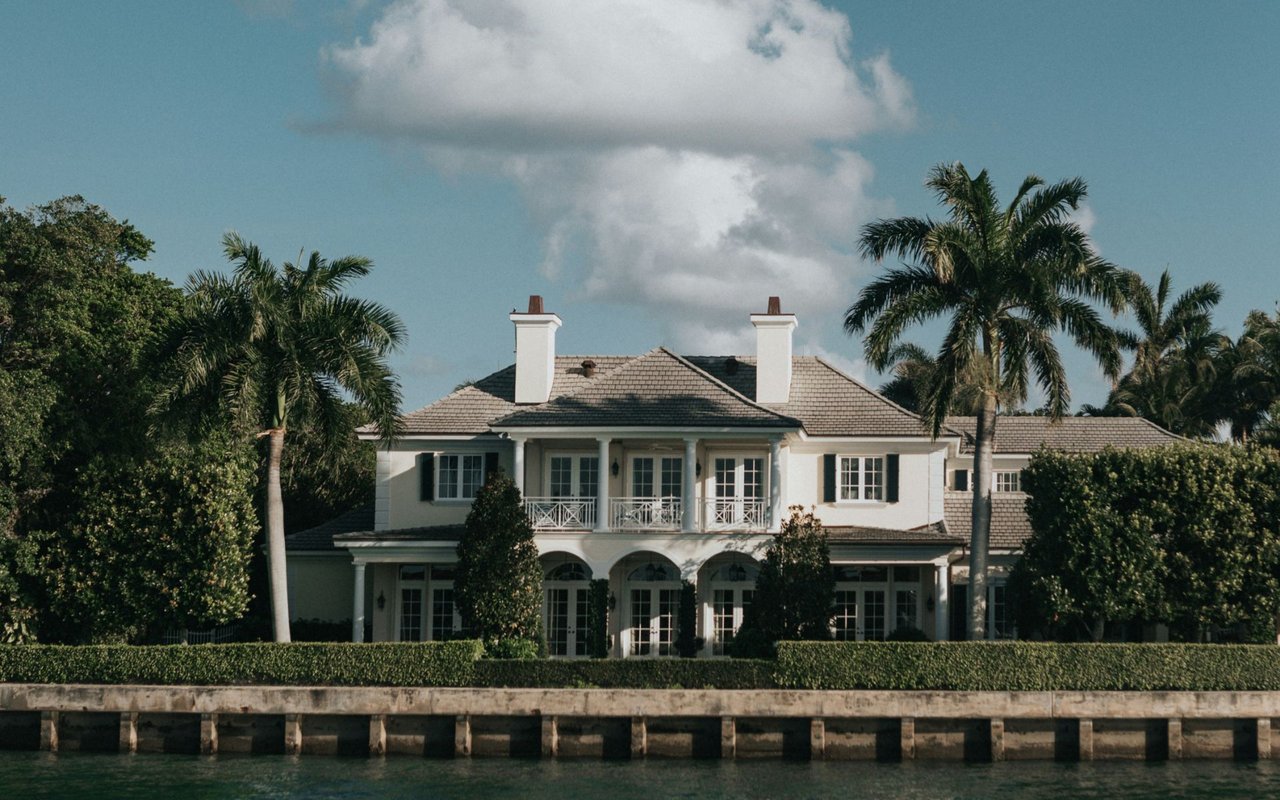
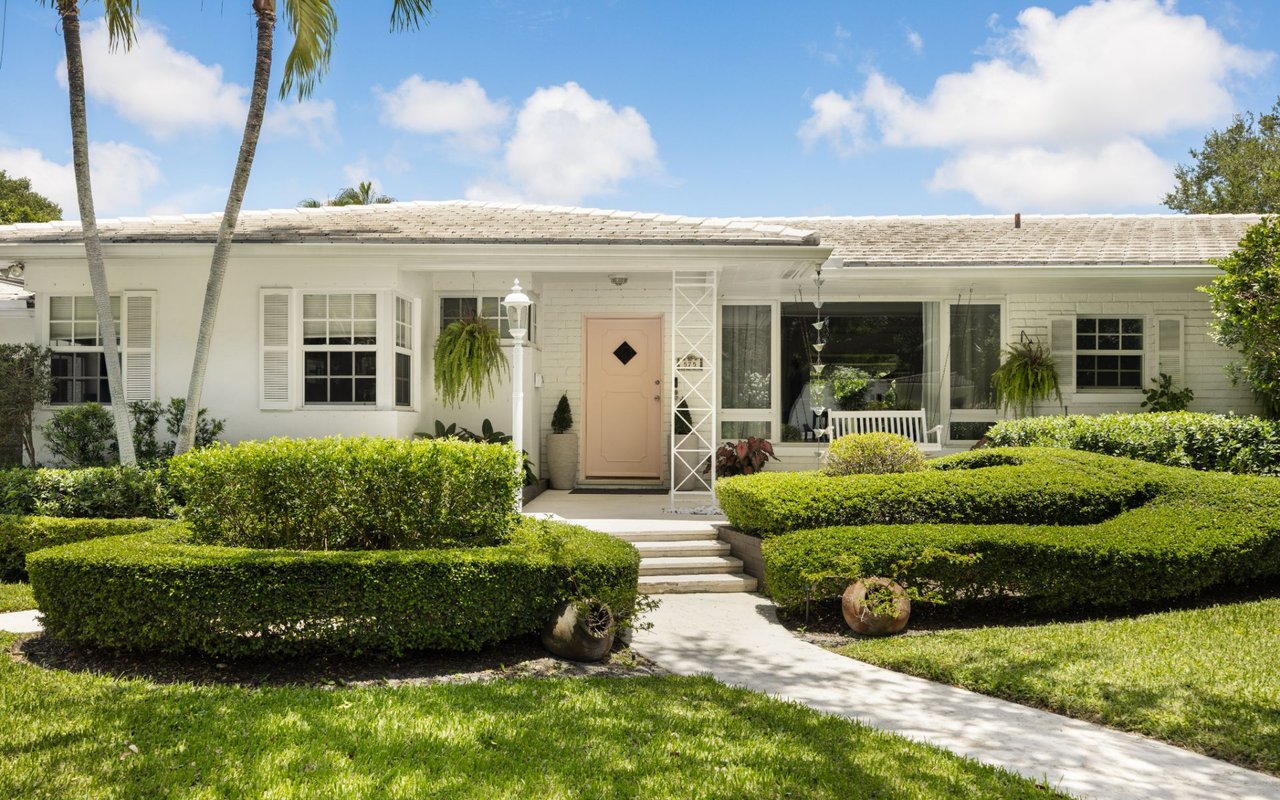
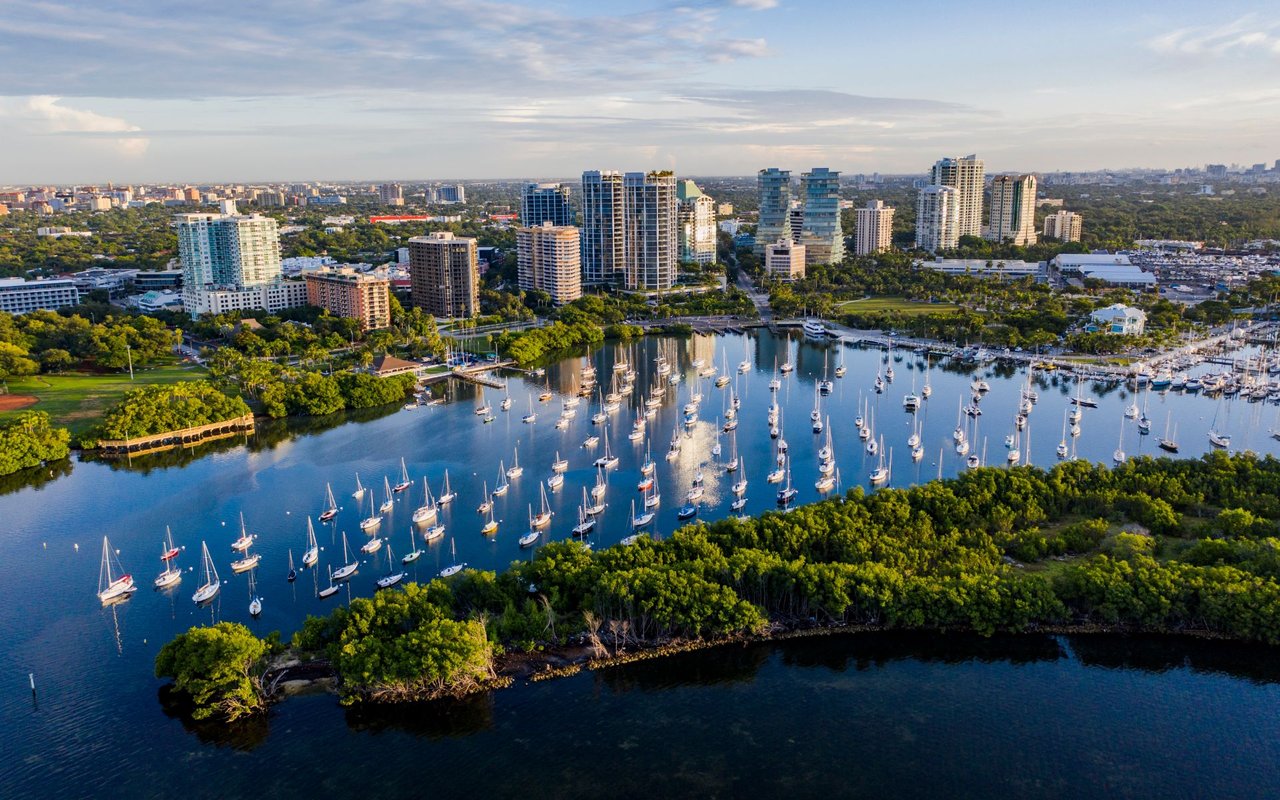
The single-family market in Coral Gables ranges from $1.8M for a thoughtfully restored mid-century home to well above $20M for a bay-front estate along Arvida Parkway, Tahiti Beach Island, or Sunset Drive. The premium segments — particularly historic estates protected by the city’s rigorous architectural review — consistently attract buyers from the Northeast, from Europe, and from Latin American capitals seeking a permanent Florida address with the kind of permanence and patina that newer markets simply cannot manufacture.
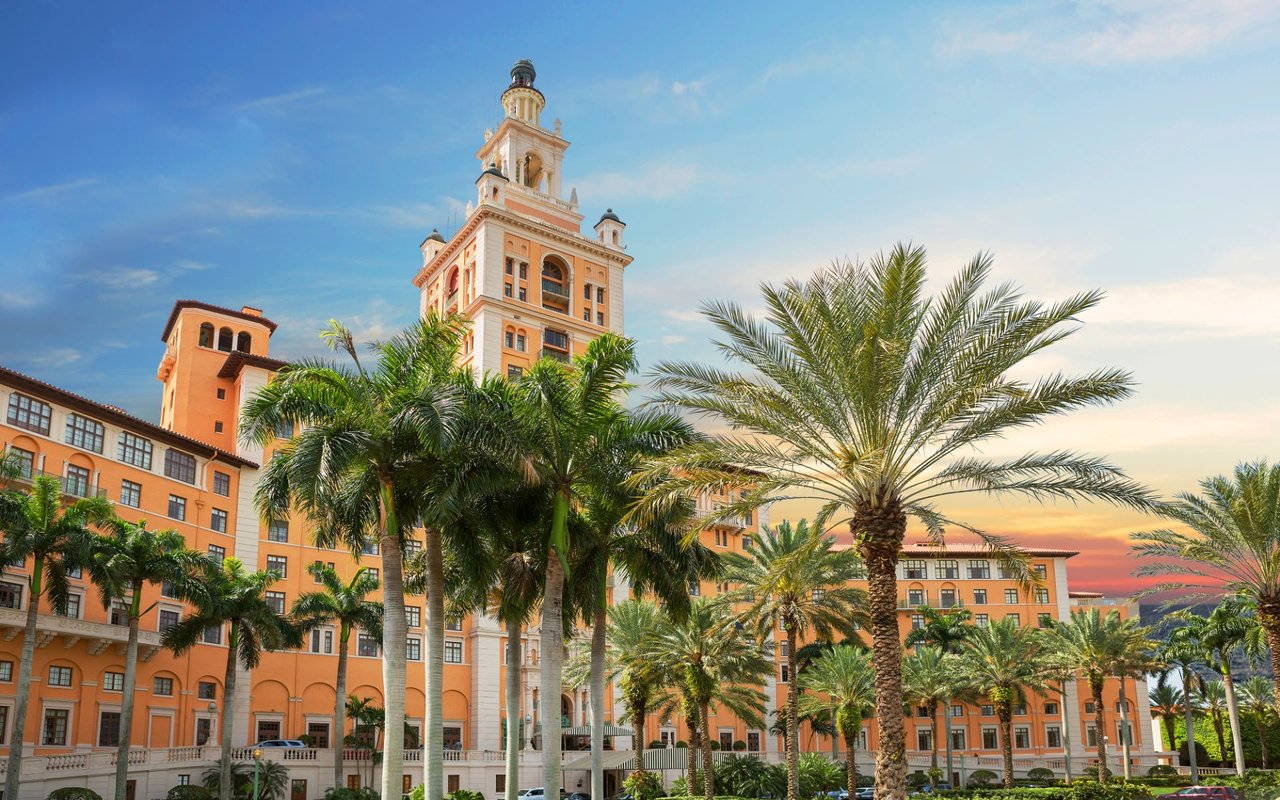
What distinguishes Coral Gables from every other Miami address is the daily rhythm of the city itself. Miracle Mile and Giralda Plaza form a walkable retail and dining core unmatched in South Florida, while The Shops at Merrick Park anchor the luxury retail axis with Neiman Marcus, Nordstrom, and a curated portfolio of European boutiques. The Biltmore Hotel — a National Historic Landmark and one of the great resort hotels of the Americas — remains the cultural and social spine of the neighborhood, hosting weddings, galas, and Sunday brunches that have shaped Coral Gables society for generations.
Dining. Coral Gables’ culinary identity is among the most refined in Miami. Le Jardinier’s vegetable-forward Michelin-starred menu, the long-running French elegance of Pascal’s on Ponce, and the convivial energy of Bachour patisserie set the standard, while Ariete — James Beard-recognized chef Michael Beltran’s flagship — defines the neighborhood’s contemporary Miami sensibility. Café Books & Books on Aragon Avenue remains the neighborhood’s living room.
Shopping. The Shops at Merrick Park anchor the luxury experience with Hermès, Tiffany & Co., Gucci, Burberry, and a thoughtfully edited mix of contemporary designer boutiques. Miracle Mile complements with the independent ateliers, jewelers, and tailors that have served Coral Gables families for decades.
Schools. Few American neighborhoods deliver Coral Gables’ school portfolio. Carrollton School of the Sacred Heart and Ransom Everglades anchor private education with national reputations. Coral Gables Senior High and Coral Gables Preparatory Academy lead the public option. Gulliver Preparatory and St. Philip’s sit minutes away. For families relocating to Miami with school-age children, Coral Gables resolves the most consequential question of any move before the conversation begins.
Culture and recreation. The Venetian Pool — carved from a coral rock quarry in 1924 — remains one of the most beautiful municipal pools in America. The Coral Gables Country Club, the Riviera Country Club, and the Biltmore’s historic golf course shape the neighborhood’s social architecture, while Fairchild Tropical Botanic Garden offers seventy-five acres of tropical beauty within the city limits.
For luxury buyers, Coral Gables is not merely a neighborhood. It is an asset class with a century of design discipline behind it — and the most consequential properties continue to transact privately, through advisors with established access to the community’s most sought-after streets. Chanel Hunter Milian represents qualified buyers and sellers across Coral Gables’ historic, waterfront, and gated markets and welcomes a private conversation about what is currently — and what is privately — available.
49,243 people live in Coral Gables, where the median age is 39 and the average individual income is $82,686. Data provided by the U.S. Census Bureau.
Total Population
Median Age
Population Density
Average individual Income
Coral Gables has 18,941 households, with an average household size of 2.28. Data provided by the U.S. Census Bureau. Here’s what the people living in Coral Gables do for work — and how long it takes them to get there. Data provided by the U.S. Census Bureau. 49,243 people call Coral Gables home. The population density is 3,809 and the largest age group is Data provided by the U.S. Census Bureau.
Total Population
Population Density Population Density This is the number of people per square mile in a neighborhood.
Median Age
Men vs Women
Population by Age Group
0-9 Years
10-17 Years
18-24 Years
25-64 Years
65-74 Years
75+ Years
Education Level
Total Households
Average Household Size
Average individual Income
Households with Children
With Children:
Without Children:
Blue vs White Collar Workers
Blue Collar:
White Collar:



3059 Grand Ave Ste 340 Miami FL 33133
3059 Grand Ave Ste 340 Miami FL 33133